
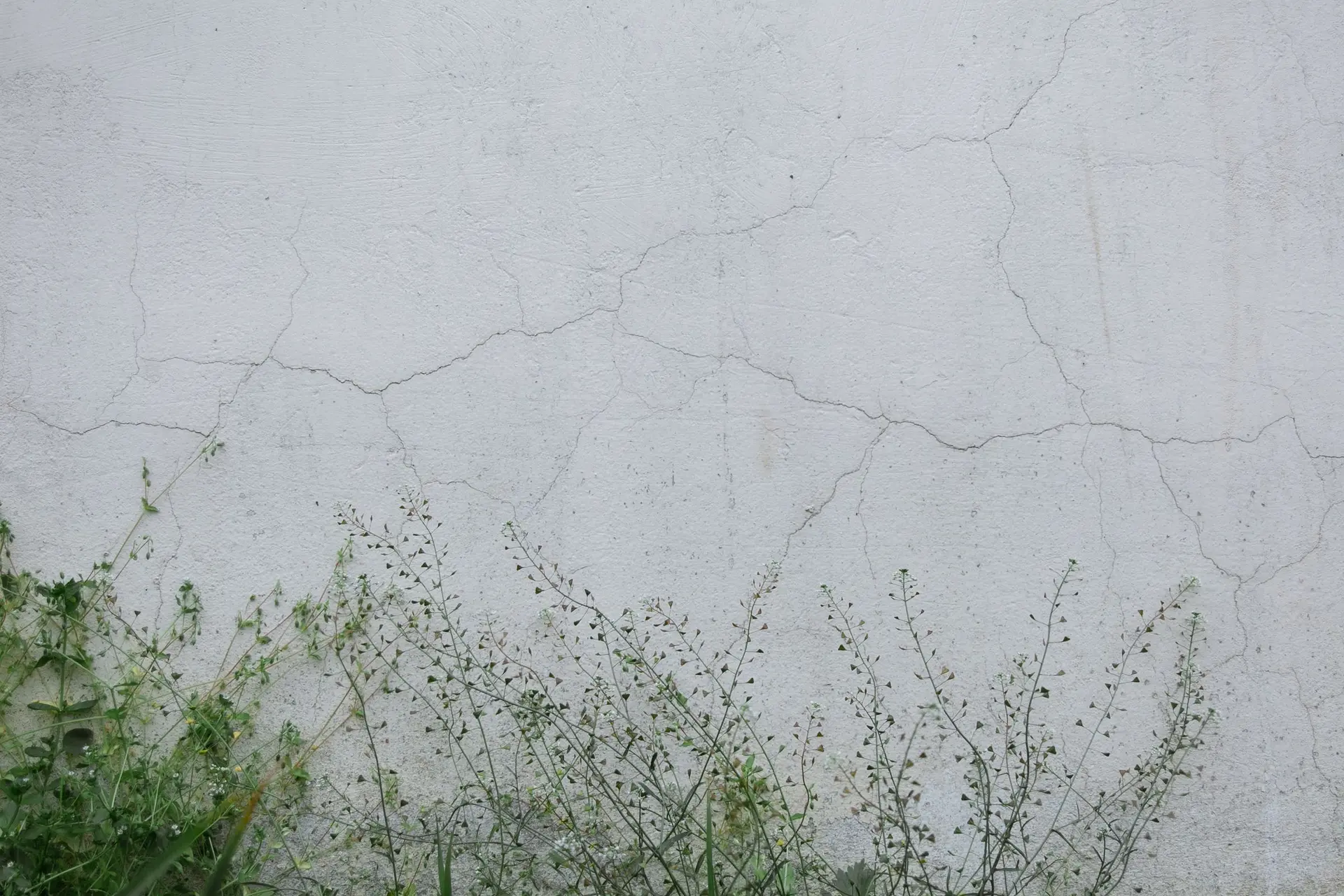
Most owners call a stucco contractor in Pasadena about a crack, a stain or a patch where a pipe once came through. On a house in fire country, that same visit is a chance to look at the whole outside wall: the base, the vents, the eaves and the trim. Cement stucco does not burn, but the gaps around it can let embers in, and water behind a cracked coat can rot the framing long before anyone sees it.
Fernhill Builders is based in Pasadena and treats every stucco wall as part of the house's fire-resistant exterior. Below is what we price on a stucco job, the signs that push a patch toward a full restucco, and how the written quote reads.
The quickest way to a price is the address, a wide photo of each side of the house and a close photo of the worst crack or patch. With those in hand you can request a written stucco quote, and we will reply about a time to walk the walls.
Stucco work on a Pasadena house in fire country
Most of the stucco jobs we see fall into three groups. Small repairs fix cracks, holes and old patches that never matched. Section repairs strip one wall or one area back to the paper and rebuild the coats. A full restucco takes the whole house down to the sheathing or the old lath and puts the system back, often with new vents, closed eaves and a proper base detail.
Because Pasadena is in fire country, any new wall section we build follows the wildfire code for the address, and we treat the vents and the edges as part of the stucco job rather than a separate trade. Some owners also switch a wall or two to fiber cement, and we price that side by side when it fits. Our stucco and exterior page lists the full range.
What sets the price of a stucco job
Five things decide most of a stucco quote.
Wall area. The square footage of wall being worked on is the base of the number, measured from the elevations or on site. Gable ends, bump-outs and second stories add area that is easy to miss from the ground.
Lath and paper. On a patch, the lath and the paper behind it can usually stay. When the paper has failed or the lath has rusted, the section comes down to the sheathing, and new paper and lath go on before any coat. This one item can change the size of the job more than any other.
Patch or full restucco. Patches cost less up front, but a wall with many patches rarely matches in color and texture. A full restucco gives one even finish and a new water barrier behind it. When a wall could go either way, we price it both ways.
Vents and trim. Every foundation vent, gable vent and eave opening in the wall is a line in the quote. Swapping coarse screens for ember-resistant vents, closing open rafter bays and replacing wood trim at grade all add to the stucco work, and each one makes the wall harder for a fire to get through.
Access. A flat yard with room for scaffold is the simple case. Slopes, tight side yards, decks against the wall and plantings that need protecting all add setup time.
Signs that decide patch or full restucco
When we walk a wall, a few signs point toward a larger job:
- Cracks with stains below them. Rust streaks or dark trails mean water is getting behind the coat.
- A hollow sound when the wall is tapped. The coats have let go of the lath, and a patch will not hold.
- Bulges near windows and doors. These usually mean the flashing failed and the framing behind may be wet.
- Many patches on one wall. Once a wall is mostly patches, a new coat is often the cleaner job.
- No gap or screed at the base. Stucco that runs into soil or concrete wicks water up and needs a new edge.
If none of these show up, a patch and a color coat may be all the wall needs, and that is what we will quote. Where the house also needs new windows, we scope the openings with our windows and doors work so the stucco is opened once.
How the walk and the written quote work
We start at the foundation line and work up, one side of the house at a time. We tap, measure, photograph each problem area and count every vent and opening. If a section looks wet or hollow, we may ask to cut a small test hole to see the paper and the lath.
The written quote lists each wall by side. For each one it states the area, whether it is a patch, a section repair or a full restucco, the layers going on, and the vents and trim on that wall. Hardening items that go past the minimum are listed separately so you can take them or leave them. If two options are close, both appear with their own totals.
What to have ready before the visit
- The address and a good time for us to see all four sides.
- Photos of any leaks inside, especially near windows.
- Any records of past stucco work, color names or old permits.
- A note on what you want: a repair, a new look, or the most fire-resistant wall the house can carry.
- Clear access to the side yards and any gates.
Call or send the form
If you own a house in Pasadena or close by in Altadena, Alhambra or Eagle Rock, call us or send the form with the address and a few photos of the walls. We will walk the house and send a written stucco quote, wall by wall.