
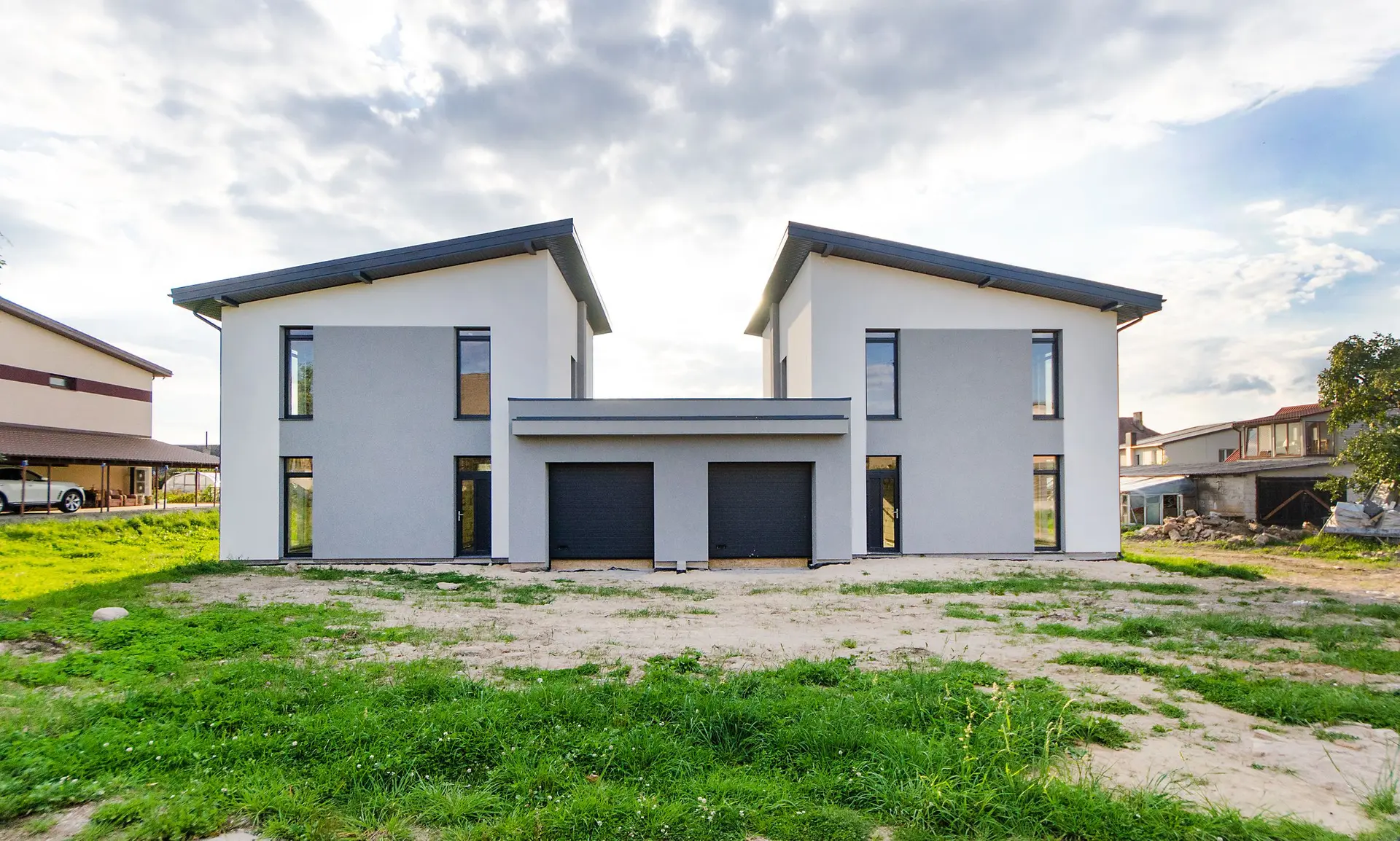
If you typed general contractor Pasadena because your house needs more than one trade, the job probably crosses the roof edge, the windows, the walls and some of the rooms behind them. Fernhill Builders works from Pasadena and runs those jobs on houses a fire has damaged and on houses still standing in fire country, with the exterior written out assembly by assembly.
A useful bid starts with three facts: the address, whether the house is damaged or intact, and the parts you already know must change. Send those and ask us to bid the whole job.
Several trades on one Pasadena house
Two kinds of house bring owners to us. The first took heat, smoke or flame and still stands, so its framing, insulation, wiring and finishes each need a decision. The second came through untouched, and its owner wants the vents, eaves, glazing and cladding changed while the house is sound. A cleared lot is a third case, and our Altadena rebuild post walks through that path.
The work overlaps on all of them. A new window disturbs the stucco around it. New stucco runs up to the eave. Closing that eave changes how the attic gets its air. Crews hired one at a time can leave those joints to each other, and an unowned joint is where an ember finds its way in. Under one contract, each seam has a name beside it. That work sits under our fire rebuild and repair service, and if the fire reached your house, our post on fire damage repair goes room by room.
Four inputs behind a fire-hardening bid
A figure per square foot says little on this kind of job, so we do not offer one before seeing the house. These four things build the number.
Damaged or standing. A damaged house prices around what has to come out. Attic framing, smoke-soaked insulation, wiring near the burn and cracked glass all have to be opened and judged before anyone can total them. A standing house prices around what goes on, since the structure stays and most of the labor is on its skin. Two houses of the same size can land far apart on this input alone.
Assemblies to change. This one sets the line count. Swapping a vent touches one trade and a small patch. Tempered dual-pane glazing brings in flashing and wall repair at every opening, which our windows and doors lines spell out. Stripping a wall to the sheathing means new paper, lath, coats and trim under our stucco and exterior work. Closing open rafter bays adds soffit material and a new plan for attic air. Each assembly you add raises the total. Each one you hold for later comes off it, though a second start carries its own setup.
Scope past the shell. Owners often fold interior work into the same contract while the walls are open. A kitchen, a bath or a whole-home remodel adds its own lines and shares the staging and the schedule. Charred or rotted members bring in an engineer and structural repairs, and those cannot be sized until the framing is exposed.
Permits and drawings. What needs drawings, engineering or a permit depends on what changes and where the house sits. We check with the building department for your address, then carry those costs as their own lines so you can see them apart from the construction.
Two more things can move the bid. Access is one, with a tight side yard or a sloped lot adding setup. An open insurance claim is the other, since we read the adjuster's estimate against our own scope and mark where they differ.
Picking the builder who carries all of it
Compare bidders by what they put on paper. Four checks separate one bid from another.
- Parts are named. Each exterior line should give the vent, the glass or the wall layers. A lump sum for the outside leaves you guessing at what you bought.
- Required work and upgrades sit apart. You should be able to strike an upgrade without redoing the bid. Ours keeps two lists for that reason.
- One party owns the seams. Ask who answers for the joint where window flashing meets stucco, and where the wall meets the eave.
- The bidder says what can stay. A contractor who replaces everything on a damaged house without opening it has skipped a step. Ask for repair, replace or leave alone, item by item.
Also ask who files for the permit and who meets the inspector. At Fernhill both are ours to do.
Where a full exterior makes more sense than three separate patches, we will say so and price both. If one repair is all you want, we take that call too.
Walking your house before we write the bid
The walk starts outside and follows the path an ember would take, from the gutters and roof edge down through vents, eaves, glass and walls to the deck and fence ends. On a damaged house we then go through the attic and each affected room. We ask before cutting into any wall.
The bid comes back sorted by assembly, with the damage repair in its own block. Each line gives the part, the material and the reason it is there. You can approve it whole or run it in stages, openings first, since each block carries its own total. If an opened wall shows something new, you get a written change before that work goes ahead.
Papers and photos that sharpen the number
- The address, in Pasadena or nearby in Altadena, San Gabriel or South Pasadena.
- A wide photo of each side of the house, plus any damaged rooms.
- The claim number and adjuster's estimate, if a claim is open.
- Old plans, permits or a survey, if you can find them.
- A note on which rooms you would change while the crew is there.
- Any date you are working against, such as a letter from your insurer.
Call us or send the form with the address and what the house has been through. We will book a time to walk it, then send a bid you can set beside any other.